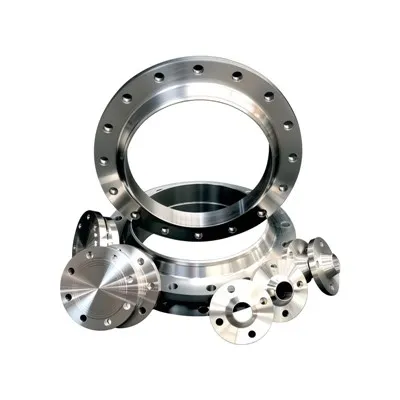
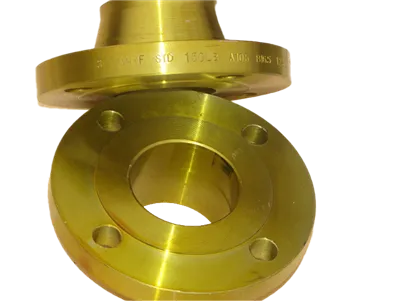
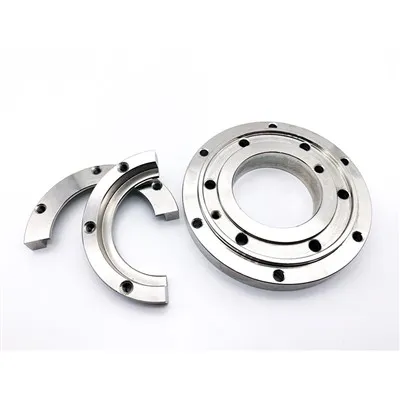
The lifespan of a forging die varies depending on many factors, generally ranging from several thousand to tens of thousands of cycles. The specific figure depends on the die material, design quality, usage conditions, and maintenance. For example, some optimized hot forging dies can have a lifespan exceeding 20,000 cycles.
Forging dies play a crucial role in metal processing, and their lifespan directly impacts production efficiency and costs. So, what is the typical lifespan of a forging die? This question cannot be answered simply, as it is influenced by numerous factors.
Factors Affecting Mold Life
Material Selection: The hardness and wear resistance of the mold material have a decisive impact on its lifespan. High-quality materials can withstand greater stress and impact, thus extending service life.
Process Design: A reasonable process design ensures uniform stress on the mold, reducing the risk of localized wear and cracking. For example, optimizing the cavity structure and dovetail design can improve mold durability.
Usage Conditions: These include forging temperature, the composition of the forging material, and its surface condition. High temperatures and harsh operating environments accelerate mold wear and failure.
Maintenance: Regular grinding, polishing, and maintenance are crucial for extending mold life. Timely maintenance and repair can prevent small problems from escalating into major failures.
How to Extend Mold Life
Selecting High-Performance Materials: Such as cemented carbide, to improve the mold's hardness and wear resistance.
Fine Machining and Surface Treatment: Reducing mold surface roughness through grinding and polishing reduces friction and wear.
Rational Process Design: Ensuring uniform stress on the mold during operation avoids excessive stress and impact.
Strengthen usage management: Strictly control forging temperature and material quality to reduce damage to the mold caused by adverse factors.
Regular maintenance: Establish a scientific maintenance system to promptly identify and resolve problems, ensuring the mold is in optimal working condition.