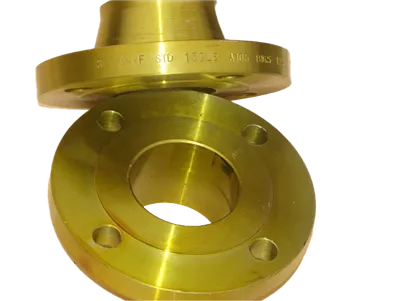
ASME B16.36 Orifice Flange | Specifications and Bulk Supply
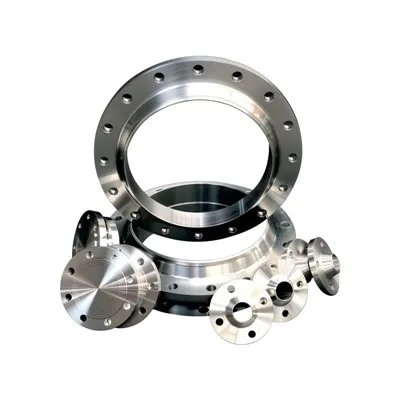
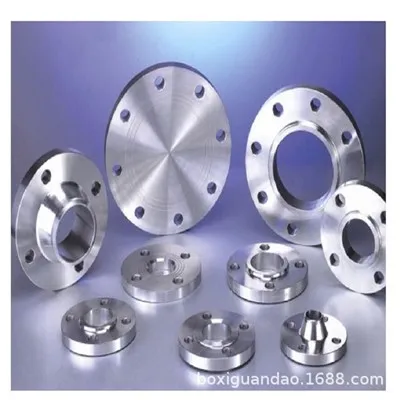
An ASME B16.36 Orifice Flange is a specialized pipe flange used in differential pressure flow measurement assemblies. It provides pressure tapping connections for measuring the pressure difference across an orifice plate installed between mating flanges.
Orifice flanges are used in industrial piping systems where differential pressure is used to determine fluid flow. The appropriate configuration depends on pipe size, pressure class, flange type, material, facing and pressure tapping requirements.
For B2B procurement, the flange specification should match the flow measurement design, piping requirements and applicable project standards.
-
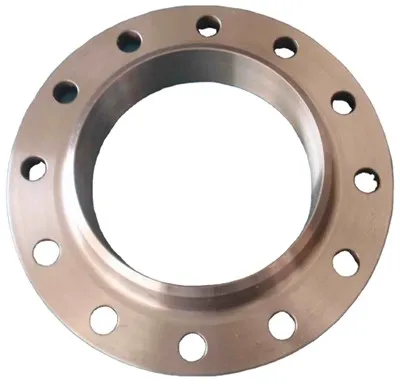
![Class 150 Orifice Flange]() Class 150 Orifice FlangeShanxi Xinshunda Flange Manufacturing Co., Ltd. offers high-precision Class 150 Orifice Flanges designed specifically for accurate flow measurement in low to moderate pressure piping systems.
-
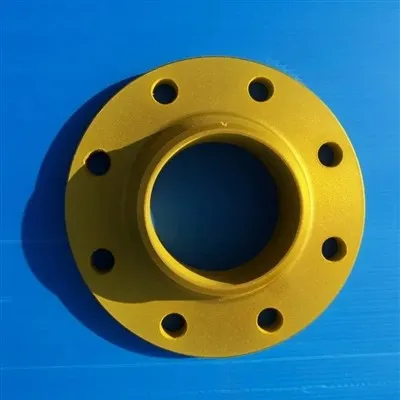
![Class 300 Orifice Flange]() Class 300 Orifice FlangeShanxi Xinshunda Flange Manufacturing Co., Ltd. delivers the Class 300 Orifice Flange, a specialized piping component designed for accurate flow measurement in moderate to high-pressure industrial
-
![Class 400 Orifice Flanges]() Class 400 Orifice FlangesShanxi Xinshunda Flange Manufacturing Co., Ltd. provides specialized Class 400 Orifice Flanges, a unique and critical component designed for flow measurement applications that exceed the pressure
-
![Class 600 Orifice Flanges]() Class 600 Orifice FlangesShanxi Xinshunda Flange Manufacturing Co., Ltd. manufactures the Class 600 Orifice Flange, a heavy-duty piping component engineered for accurate flow measurement in high-pressure industrial
-
![Class 900 Orifice Flanges]() Class 900 Orifice FlangesShanxi Xinshunda Flange Manufacturing Co., Ltd. specializes in the production of Class 900 Orifice Flanges, a critical component designed for flow measurement in ultra-high-pressure industrial
-
![Class 2500 Orifice Flanges]() Class 2500 Orifice FlangesShanxi Xinshunda Flange Manufacturing Co., Ltd. delivers the Class 2500 Orifice Flange, an ultra-high-pressure specialized component engineered for the most severe flow measurement environments in


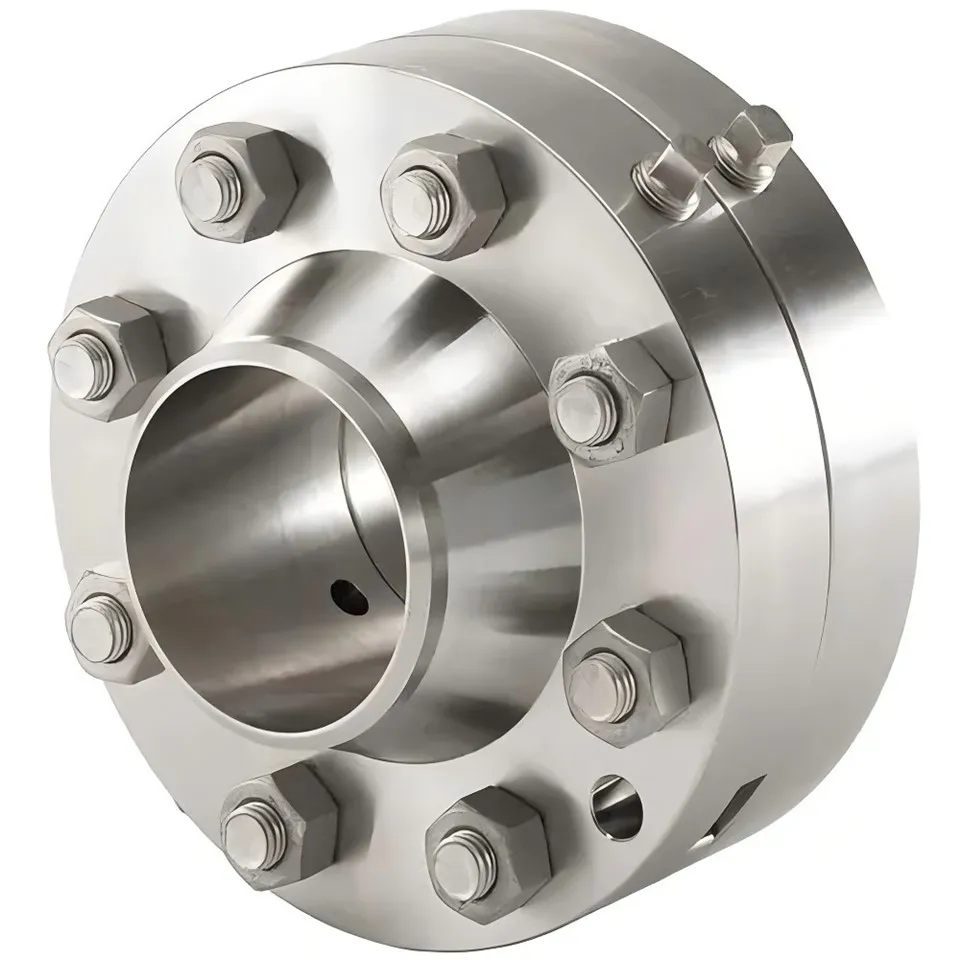
Product standard: ASME B16.36
Related flange standard: ASME B16.5, where applicable
Flange configuration: Weld neck and other configurations where permitted by the applicable standard and confirmed for the order
Facing options: Raised Face (RF) or Ring Type Joint (RTJ), subject to the specified design
Pressure tappings: Size, thread type, number and location to be confirmed against the required assembly design
Material specifications: To be selected according to the applicable ASTM material specification and project requirements
The applicable edition of ASME B16.36 should be confirmed during order review. Dimensions, pressure-temperature ratings and permitted configurations must be checked against the specified standard before production.
Sizes and pressure classes
Orifice flanges are selected by nominal pipe size (NPS), pressure class and flange configuration. The available combinations must be verified against the applicable ASME B16.36 requirements.
|
Selection item |
Information required |
|
Nominal pipe size |
Required NPS |
|
Pressure class |
Required ASME pressure class |
|
Flange type |
Weld neck or another permitted configuration |
|
Facing |
RF or RTJ, as applicable |
|
Material |
Required material specification and grade |
|
Pressure tappings |
Size, thread type, number and location |
|
Standard edition |
Applicable ASME B16.36 edition |
Dimensional drawings and applicable pressure-temperature ratings should be confirmed for the selected size, pressure class, material and configuration. A specific size and class combination should not be assumed available without verification.
Flange Types, Facings And Pressure Tappings
Weld neck orifice flanges
Weld neck designs connect to the piping system through a butt-weld connection. The selected flange must match the specified pipe size, pressure class, material and piping design requirements.
Raised Face (RF)
RF flanges have a raised gasket seating surface. The gasket type and facing requirements should be selected according to the piping specification and operating conditions.
Ring Type Joint (RTJ)
RTJ flanges use a machined ring groove and a compatible metal ring gasket. Groove dimensions, gasket type and mating flange requirements must match the specified design.
Pressure tapping connections
Pressure tappings provide connections for differential pressure measurement. The required tapping size, thread type, location and arrangement should be specified in the RFQ or approved drawing.
Jacking screws, tapping plugs, orifice plates, gaskets, stud bolts and nuts should be identified separately in the order scope. Their inclusion should be confirmed in the supplier's quotation.
Materials and material selection
Material selection depends on operating temperature, pressure, process medium, corrosion requirements and project specifications.
Common material specifications to consider include:
Carbon steel: ASTM A105 and ASTM A350 LF2, where appropriate for the specified service and product requirements.
Stainless steel: ASTM A182 F304, F304L, F316 and F316L.
Alloy steel: ASTM A182 F11 and F22.
Duplex stainless steel: ASTM A182 F51 and F53, subject to the required grade and availability.
Other materials may be considered for specific project requirements, subject to confirmation.
The RFQ should identify the required material specification, grade, supplementary testing, heat treatment requirements and material documentation. Material suitability should be assessed against the actual service conditions rather than material grade alone.
Manufacturing and inspection requirements should be agreed according to the applicable standard, approved drawings and purchase order.
Dimensional inspection
Relevant checks may include flange dimensions, bore, facing, bolt hole arrangement and pressure tapping details.
Material verification
Material identification and material test documentation should be checked against the specified material grade and purchase requirements.
Non-destructive examination
Ultrasonic testing (UT), magnetic particle testing (MT) or liquid penetrant testing (PT) may be specified where required by the applicable material specification, project requirements or purchase order.
Traceability and documentation
The RFQ should state the required marking, material test certificates, dimensional inspection records and other documentation.
Third-party inspection
Third-party inspection may be arranged when required by the buyer or project, subject to agreement on the inspection scope, acceptance criteria and applicable costs.
The supplier's actual inspection capabilities and documentation options should be confirmed before order placement. Inspection methods and acceptance criteria should not be assumed to apply to every order unless specified.
Applications and system compatibility
ASME B16.36 orifice flanges are used in differential pressure flow measurement assemblies in industrial process piping systems.
Oil and gas
Flow measurement in applicable production, processing and pipeline systems.
Petrochemical processing
Differential pressure measurement in process and utility piping.
Power generation
Flow measurement in suitable steam and other process fluid systems.
Industrial utilities
Measurement of liquid and gas flow where an orifice-based differential pressure system is specified.
Compatibility depends on the complete measurement assembly, including the orifice plate, pressure tapping arrangement, flange configuration, gasket and operating conditions. Confirm suitability against the system design before selecting the flange.
Frequently asked questions

Information Required For Quotation
To help confirm the correct configuration, include the following information in your RFQ:
Nominal pipe size (NPS).
Pressure class.
Flange type and facing.
Material specification and grade.
Applicable ASME B16.36 edition.
Pressure tapping size, thread type, number and location.
Required quantity.
Approved drawing or dimensional requirements, if available.
Material certification, inspection and third-party inspection requirements.
Required accessories, including orifice plates, gaskets, jacking screws, tapping plugs, stud bolts and nuts.
Delivery destination and required delivery schedule.
As one of the most professional ansi b16.36 orifice flange manufacturers and suppliers in China, we also support customized service with competitive price. We warmly welcome you to wholesale high quality ansi b16.36 orifice flange for sale here from our factory. For quotation, contact us now.
4 in pipe flange, flange 600, welded pipe flangePopular Products