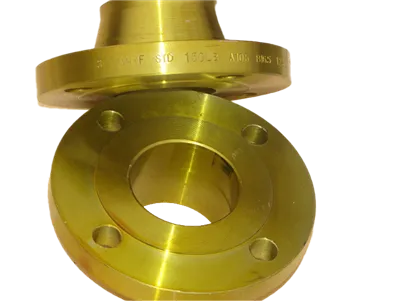
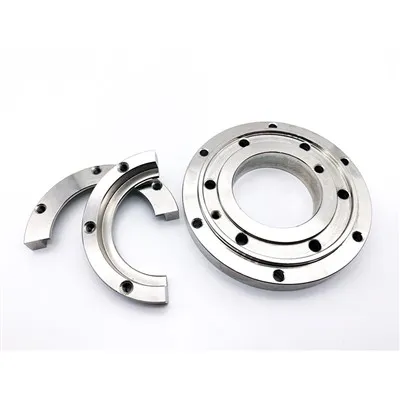
Gaskets come in various sizes, mainly falling into three categories: metric, imperial, and special non-standard sizes.
Metric Gaskets: Metric gaskets are measured in millimeters. Their inner diameters range widely, from as small as 10mm to as large as 1000mm in large equipment. Small inner diameters such as 10mm, 12mm, and 15mm are commonly found in precision instruments to ensure tight assembly. Outer diameters are more flexible, ranging from 20mm to several meters to accommodate different assembly spaces. In terms of thickness, metric gaskets typically range from 0.5mm to 10mm, such as 0.5mm, 1mm, and 3mm, selected based on sealing requirements and assembly space.
Imperial Gaskets: Imperial gaskets use inches as their unit of measurement. Their inner diameter, outer diameter, and thickness are all expressed in inches. Common inner diameter specifications include 1/4 inch, 3/8 inch, and 1/2 inch, suitable for assemblies with different bore diameters. The outer diameter is matched according to the inner diameter and application to ensure the stability and sealing performance of the gasket. In terms of thickness, imperial gaskets are available in 1/16 inch and 1/8 inch specifications, selected according to specific requirements.
Special Non-Standard Sizes In addition to standard metric and imperial sizes, gaskets can also be customized to meet specific equipment or engineering needs, i.e., special non-standard sizes. These gaskets may have special designs in shape and size to meet specific sealing, connection, and other functional requirements. For example, some equipment may require gaskets with specific curvatures or irregular bore shapes to ensure optimal sealing performance. When customizing special non-standard size gaskets, factors such as the equipment's assembly space, sealing requirements, and material properties must be fully considered.