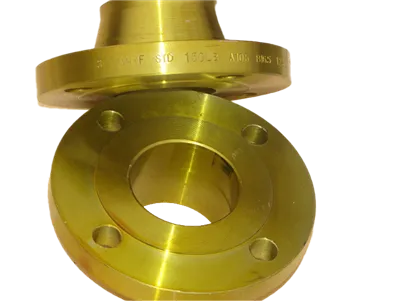
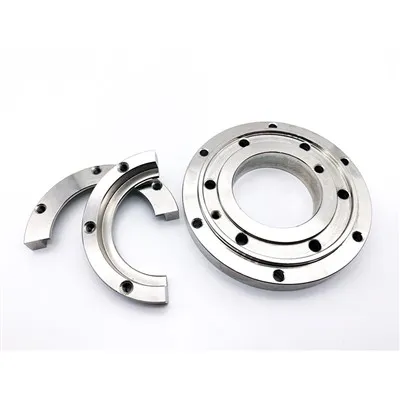
The lifespan of a gasket is the result of considering multiple factors. First, the material is a key factor determining its lifespan. For example, rubber gaskets, due to their relatively average temperature and chemical resistance, may have a lifespan of 1 to 5 years under normal operating conditions. Metal gaskets, such as stainless steel or copper gaskets, due to their excellent high-temperature and high-pressure resistance, may have a lifespan of 5 to 10 years or even longer.
Second, the operating environment significantly impacts gasket lifespan. In high-temperature, high-pressure, or highly corrosive environments, gaskets are prone to aging, deformation, or corrosion, leading to a significant reduction in their lifespan. Conversely, in normal temperature, normal pressure, and non-corrosive environments, gasket lifespan is significantly extended.
Furthermore, installation and maintenance are also important factors affecting gasket lifespan. Uneven bolt tightening during installation can cause uneven stress on the gasket, affecting its sealing performance and lifespan. Therefore, correct installation methods are crucial. Regular inspection and timely replacement of gaskets showing signs of wear or damage ensure normal operation and effectively extend their lifespan.
According to industry standards, different types of gaskets have recommended service life ranges under different environments. When selecting gaskets, users should choose the appropriate material and type based on the specific usage environment and needs, and follow relevant installation and maintenance specifications to ensure that the gaskets can perform at their best and extend their service life.