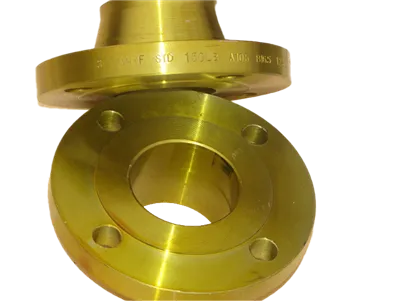
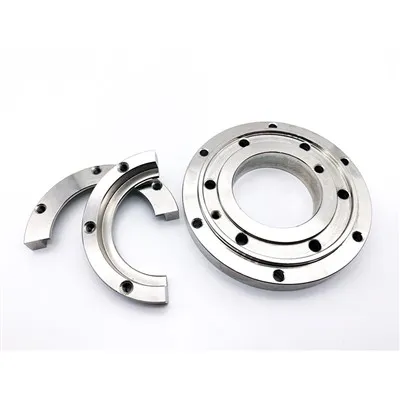
1. The sealing gasket and flange sealing surfaces should be thoroughly cleaned and free of scratches, spots, or other defects that could affect the sealing performance.
2. The outer diameter of the sealing gasket should be smaller than the outer diameter of the flange sealing surface, and the inner diameter of the gasket should be slightly larger than the inner diameter of the pipe. The difference between the two inner diameters is generally twice the thickness of the gasket to ensure that the inner edge of the gasket does not extend into the container or pipe after tightening, thus preventing obstruction of fluid flow.
3. The preload of the sealing gasket should not exceed the design specifications to prevent excessive compression and loss of resilience.
4. When tightening the sealing gasket, a torque wrench is preferred. For large bolts and high-strength bolts, a hydraulic tightener is recommended. The tightening torque should be calculated based on the given gasket tightening requirements, and the hydraulic pressure of the tightener should also be determined through calculation.
5. When installing the sealing gasket, the nuts should be tightened sequentially. However, the design value should not be reached in a single tightening. Generally, at least 2 to 3 cycles should be performed to ensure uniform stress distribution on the gasket.
6. For pressure vessels and pipelines containing flammable or explosive media, safety tools should be used when replacing gaskets to prevent sparks from being generated due to contact between the tools and flanges or bolts, which could lead to fire or explosion accidents.
7. If there is a leak in the pipeline, the pressure must be reduced before replacing or adjusting the gasket. Operation under pressure is strictly prohibited.