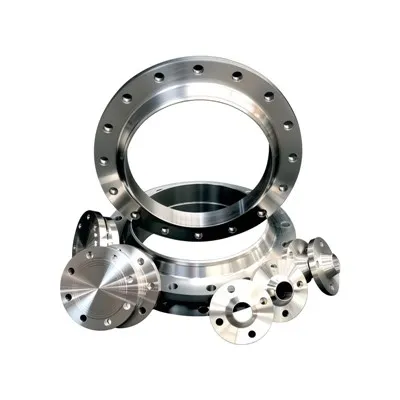
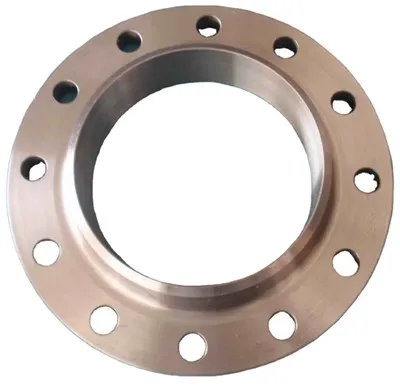
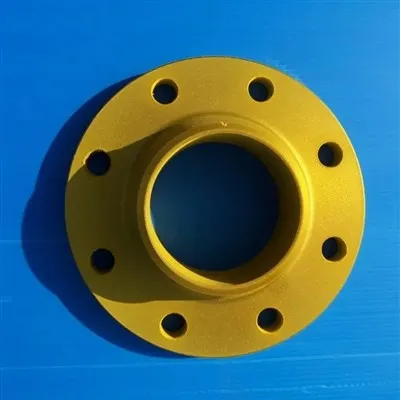
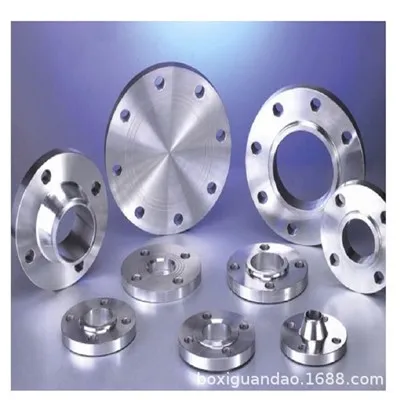
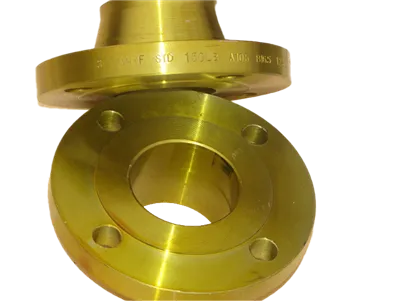
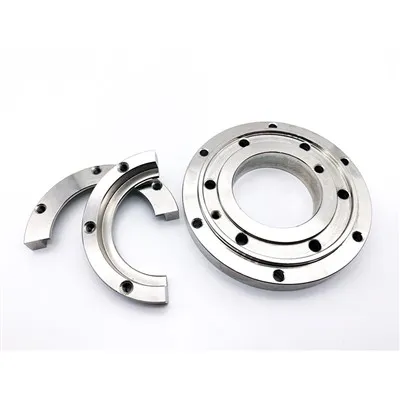
The Magical Principles of Forging: Forging is like giving metal a workout-repeated hammering makes the metal's internal structure denser. When a red-hot metal blank deforms under hammering, its grains rearrange along the direction of force, forming fibrous flow lines. The benefits of this physical change are:
Strength increased by over 30%
Fatigue life extended by 2-3 times
Defect rate reduced to 1/5 of castings
The technological evolution of modern forging: Modern forging workshops have long since moved beyond the era of relying solely on blacksmiths' manual hammering, developing three core technologies:
Precision die forging: As precise as making mooncake molds, with tolerances controlled within 0.1mm
Isothermal forging: Slow and meticulous work in a constant temperature environment, suitable for aerospace titanium alloy parts
Multi-directional forging: Applying pressure simultaneously on six sides, allowing for more uniform metal flow
Hidden champions in forging: You may not know that these common items rely on forging processes:
Automotive engine crankshafts: Each one must withstand 3000 impacts per minute
Wind turbine main shafts: Single pieces can weigh up to 20 tons
Medical devices: The biocompatibility of orthopedic implants depends on forged surfaces.