When discussing flanges, we often hear the term "valves." So, what are the differences between flanges and valves?
First, by definition, a flange is a component used to connect pipes or equipment, while a valve is a device used to control the flow of fluid in a fluid system. Valves, through their internal structures such as the valve core and valve seat, achieve functions such as opening, closing, and regulating fluid flow. Therefore, flanges and valves play different roles in fluid systems, each undertaking different tasks.
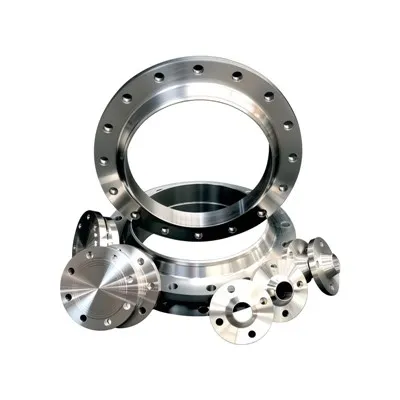
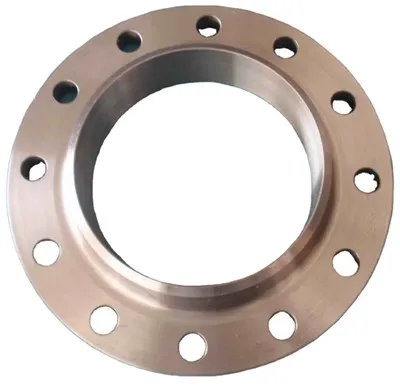
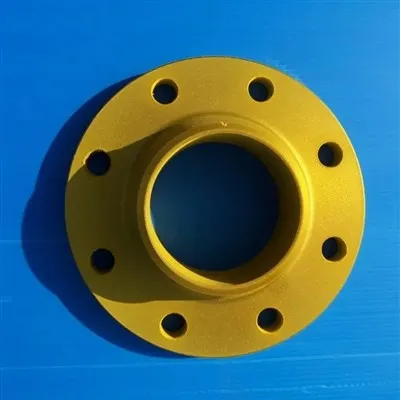
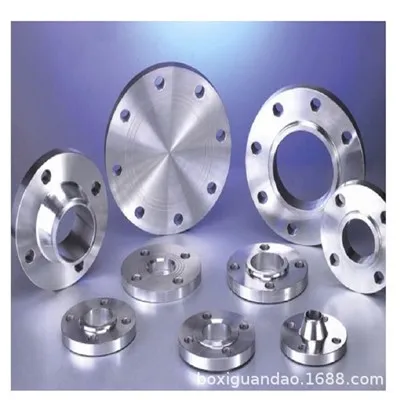
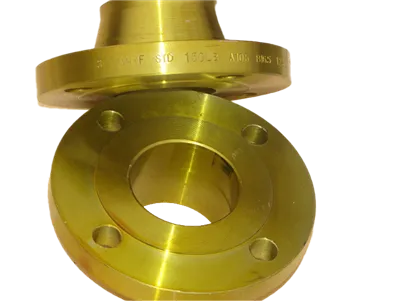
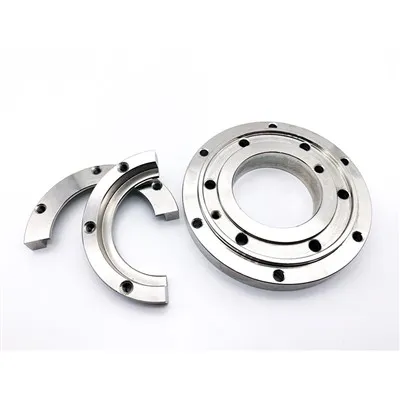
Second, structurally, flanges and valves also differ significantly. Flanges are typically disc-shaped with bolt holes on the edge, used to connect pipes or equipment. Valves, on the other hand, have a more complex structure, including multiple parts such as the valve body, valve core, valve seat, and handle, all of which work together to control the fluid.
Finally, in terms of application scenarios, flanges and valves also have different focuses. Flanges are mainly used for connection and sealing, ensuring the integrity and stability of the fluid system. Valves, however, are more often used to control the flow of fluid, such as regulating flow rate and pressure. In fluid systems, flanges and valves are typically used together to ensure the normal operation of the system.