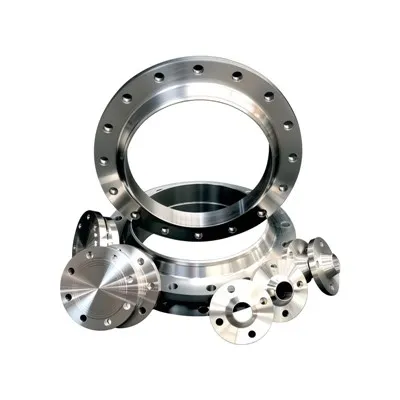
Flange installation requires following specific steps and precautions to ensure its sealing and safety. Generally, the flange installation steps are as follows:
Inspect the flange quality, including the flange plate's size, shape, surface finish, and the gasket's material, thickness, and dimensions, ensuring it meets design requirements and standards.
Clean the flange's connection surfaces, removing oil, rust, burrs, and other debris, keeping the connection surfaces clean, flat, and smooth.
Place the gasket between the two flange plates, aligning it with the flange's holes, ensuring the gasket is correctly and stably positioned.
Starting diagonally, insert the bolts through the flange's holes one by one, tightening the nuts, but not overtightening, leaving some adjustment margin.
Using a torque wrench, gradually tighten the nuts in a diagonal sequence until the specified torque value is reached, ensuring even stress distribution and a tight seal.
Check the flange connection for secureness and for any leaks such as air or water. If any are found, readjust or replace the flange.