Carbon Steel: An Economical and Practical Choice
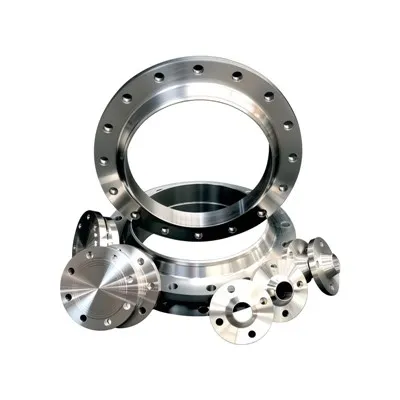
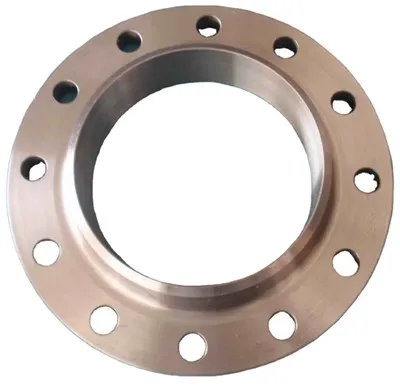
Carbon steel is one of the most common materials for non-standard flanges, widely popular due to its low cost and good machinability. Carbon steel flanges are typically used in low-to-medium pressure environments, meeting most conventional industrial needs. However, carbon steel is prone to rusting in humid or corrosive environments, requiring additional anti-corrosion treatment.
Stainless Steel: A Leader in Corrosion Resistance
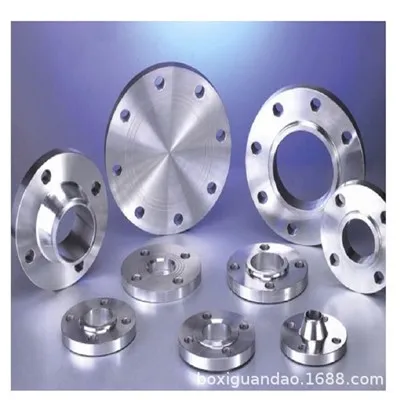
Stainless steel flanges are renowned for their excellent corrosion resistance and aesthetics, particularly suitable for industries with high hygiene requirements such as chemical and food processing. Although relatively expensive, their long lifespan and low maintenance costs make them a preferred choice for many high-end applications.
Alloy Steel: High Strength and High Temperature Resistance
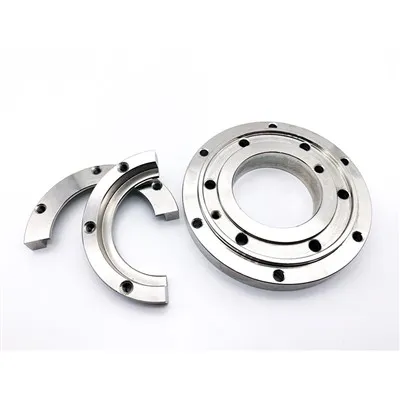
Alloy steel flanges perform exceptionally well in high-temperature and high-pressure environments, commonly used in extreme conditions such as oil and gas. By adding elements such as chromium and molybdenum, alloy steel combines high strength with corrosion resistance, but it is more expensive and more difficult to process, making it suitable for special application scenarios.