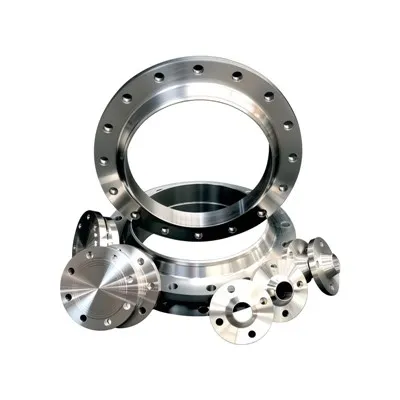
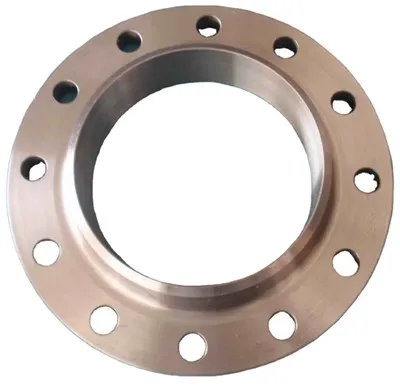
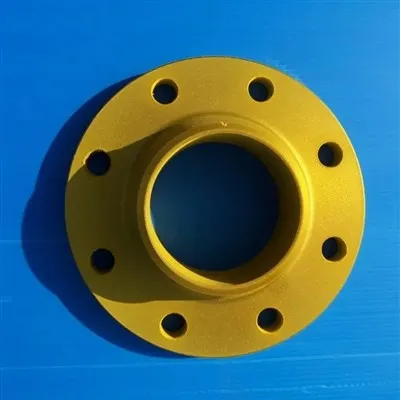
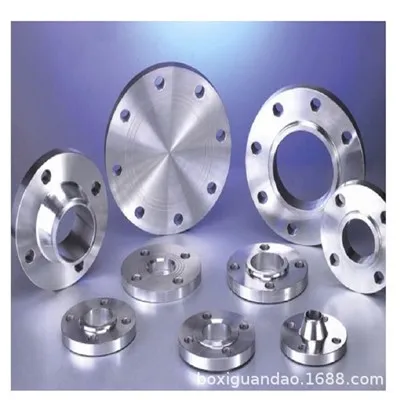
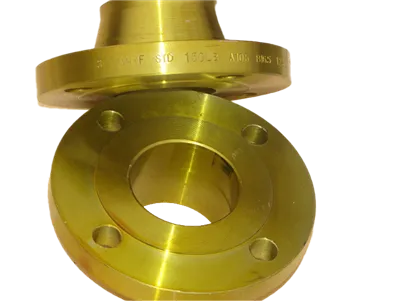
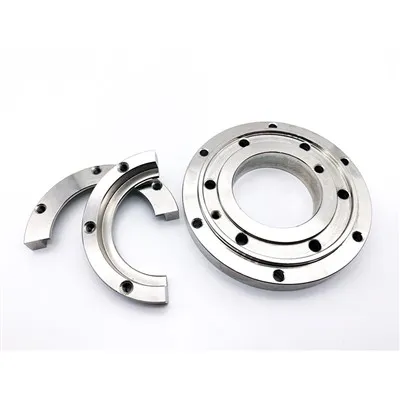
Annual Production Data Shows Differences: The industrial sector consumes tens of millions of flanges annually, with welded flanges accounting for approximately 60% and forged flanges for 40%. Welded flanges, due to direct rolling and welding of sheet metal, can achieve a daily production capacity three times that of forging processes. However, they are not simple substitutes-welded flanges primarily target large-diameter, low-pressure pipelines, while forged flanges focus on high-pressure, precision applications.
Process Determines the Ceiling:
Welded Flanges: Utilizing automated production lines, a single plant can easily exceed 500,000 flanges annually, suitable for standardized mass production.
Forged Flanges: Require a 10,000-ton hydraulic press for forging; a single plant's annual production is typically limited to 200,000 flanges, but the pressure-bearing capacity of a single piece is increased by 5-8 times.
Hybrid Line Trend: Some companies adopt a combined welding and forging process, achieving an annual output 1.5 times that of pure forging.
Choice Depends on the Application: Shipyards consume over 2 million welded flanges annually, while 80% of oil drilling platforms use forged flanges. It's not a matter of one replacing the other: chemical plant reactors require the reliability of forged flanges, while municipal water pipes prefer the economic benefits of welded flanges. Over the next five years, the wind power industry's demand for ultra-large diameter welded flanges is expected to drive an additional 30% in annual production.