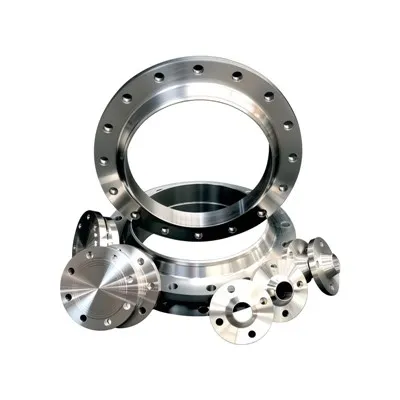
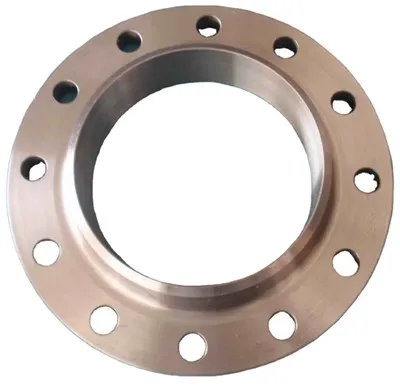
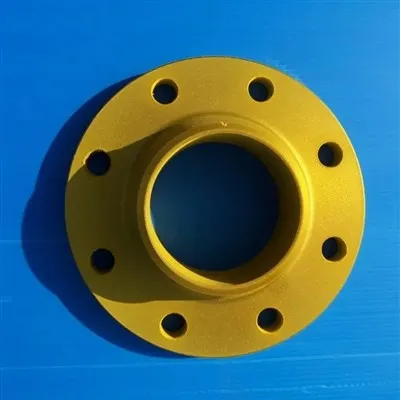
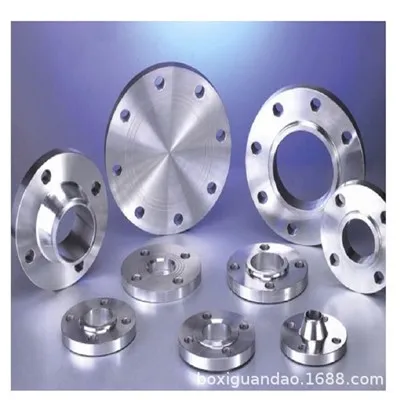
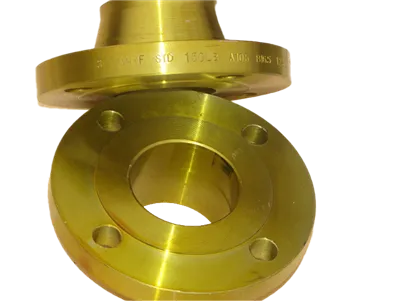
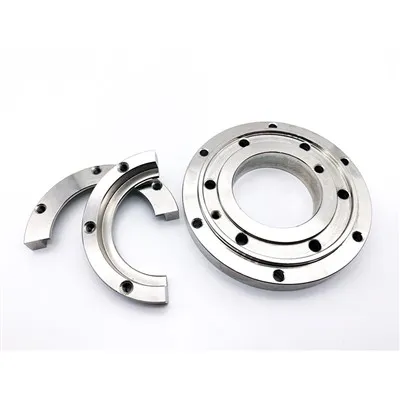
The lifespan of a flange isn't a timetable, but rather an instruction manual.
Many people think flanges have an expiration date like food, but they're more like a bespoke suit-their lifespan depends entirely on how they're "worn." Cast iron flanges can last 50 years without rusting in a dry warehouse, but might fail after 3 years submerged in seawater; stainless steel flanges can withstand 20 years in chemical pipelines, but might perforate in 3 months when exposed to strong acids. The key is whether the material matches the operating conditions-just like you can't wear a suit to a construction site.
The manufacturing process determines the flange's inherent properties.
Cast flanges are like hand-molded pottery, potentially containing internal porosity; forged flanges are like machine-pressed molds, resulting in a denser metal structure. Like two people of the same weight, the one with more muscle mass is more durable. Precision-machined flanges can achieve a sealing surface roughness of 0.8μm, equivalent to 1/80th the thickness of a human hair. Such flanges, once installed, prevent even helium leakage, naturally extending their lifespan.
Maintenance and upkeep are the "preservation secrets" for flanges. Regularly checking bolt preload is like inflating a car tire-too loose and it will leak air, too tight and it will break. Replacing gaskets every 3 years is like replacing a phone battery, giving old equipment a new lease on life. Under high-temperature conditions, checking thermal expansion compensation monthly is like adjusting a long-distance runner's shoelaces, preventing metal fatigue and breakage. These maintenance actions can extend the flange's lifespan by 3-5 times.